
Short-Term Post-Hospitalization Housing for CalAIM Members
Safe housing for medically stable Medi-Cal members who are ready for the next step
When discharge is delayed solely by housing barriers—not medical needs—STPH provides immediate placement for CalAIM members who can manage their health independently. We bridge the gap between hospital and community for medically stable individuals across Solano and Sonoma Counties.
STPH vs Recuperative Care: Which Service Fits?
Recuperative Care
Oversight and medical monitoring
Wound care & medical needs
Cannot safely recover without clinical support
Daily health assessments
STPH
No medical oversight needed
Self-manages medications and daily activities
Medically stable, needs housing not healthcare
Periodic wellness checks only
Housing and case management focus
Not sure which service? Talk with Our Team and we’ll help determine the right level of care.
Our STPH Program Focus
Unlike Recuperative Care's medical focus, STPH emphasizes housing solutions and community reintegration for those who are medically ready but socially vulnerable. STPH participants seeking additional structure can enroll in our Day Habilitation program for intensive skill development during weekday hours.
Who Qualifies for Short-Term Post-Hospitalization Housing?
STPH serves CalAIM members who are medically stable and cleared for discharge but lack safe housing. Participants must be able to self-manage medications and daily activities independently or with light support.
Typical Referrals
Hospital discharges, psychiatric facilities, emergency departments, treatment centers. incarceration discharges
Length of Stay
Up to six months within a 12-month period
Coverage
Partnership HealthPlan and Medi-Cal (CalAIM) members

What Our Post-Hospital Housing Provides
Quick Partner Information

Coverage
CalAIM Community Supports through Partnership HealthPlan
Service Area
Solano & Sonoma Counties - Vallejo, Fairfield, Vacaville, Santa Rosa
Response Time
Same day placement decisions
Typical Stay
6 months within any 12-month period
Fast, Coordinated Placement After Hospital Discharge
When discharge is delayed by housing barriers, Hammock Homes offers quick, coordinated placements across Solano and Sonoma Counties.
Our team responds quickly to hospital and plan referrals—often same day—to ensure safe transitions under CalAIM Community Supports.
When Your Patient Is Medically Cleared but Unhoused
We serve CalAIM members who no longer need hospital-level care but can live safely in a home-like setting with light support and case management.
Referrals come directly from hospitals, behavioral-health providers, and managed-care plans.
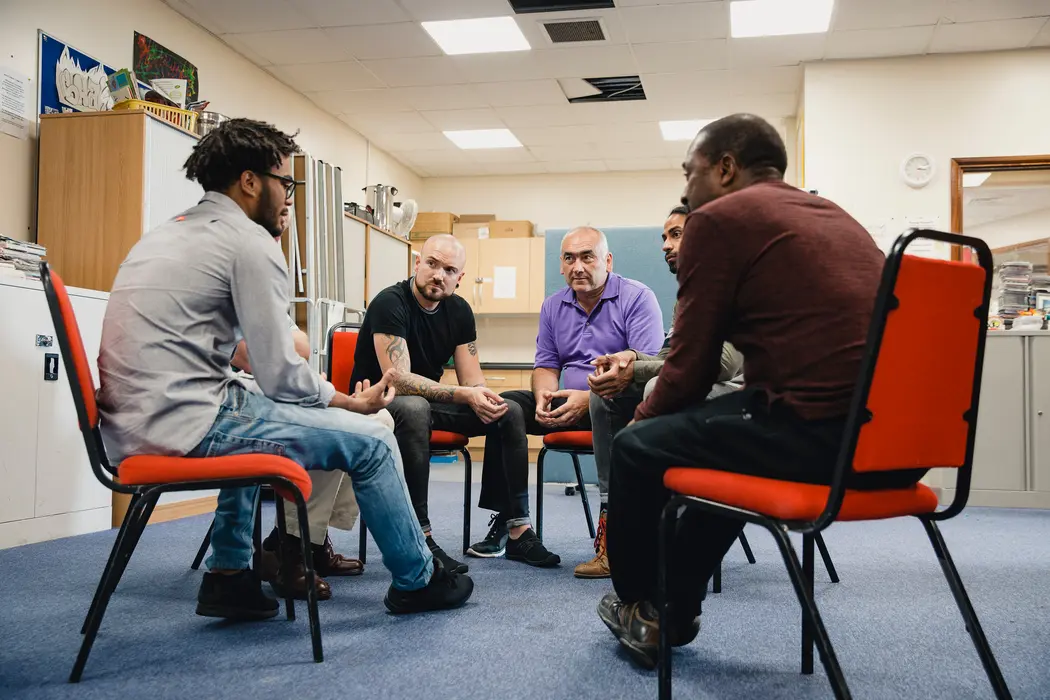

Why STPH Works
STPH prevents the revolving door of hospital readmissions by addressing the root cause: housing instability. When people have safe places to recover, take medications, and rest, health outcomes improve dramatically. Our case managers ensure this stability translates into permanent solutions.
Studies show that medical respite and short-term post-hospitalization housing programs:
- Reduce 30-day readmissions
- Decrease emergency department utilization
- Improve medication adherence
- Increase connection to primary care
- Result in higher rates of permanent housing placement
Additional Resources
Ready to Refer?
For hospitals, case managers, and community clinicians – use one of the methods below to begin the referral process.
Frequently Asked Questions
Recuperative Care includes medical oversight. STPH is for patients who are medically cleared and focused on housing stability rather than clinical recovery.
Hospital discharge planners, case managers, health plan representatives, and county social-service agencies and other professionals and organizations involved with recovery and social services.
No. STPH is covered for eligible Medi-Cal members through CalAIM Community Supports.
Up to six months within a 12-month period, or less depending on progress toward permanent housing.
Yes. STPH participants are free to come and go. This is housing, not a locked facility. We expect participation in case management and house rules.
Research from health foundations and state programs shows that high-quality medical respite and post-hospitalization housing reduces readmissions, supports faster healing, and provides essential connections to outpatient care and social services.
Yes, as long as the individual is medically cleared and meets STPH criteria. We cannot accept those needing ongoing medical supervision.
Discharge planning includes assistance with securing permanent housing, linkage to ongoing medical care, and connections to supportive community services, in line with best practices for transitional care from hospital to housing stability.